
Introduction
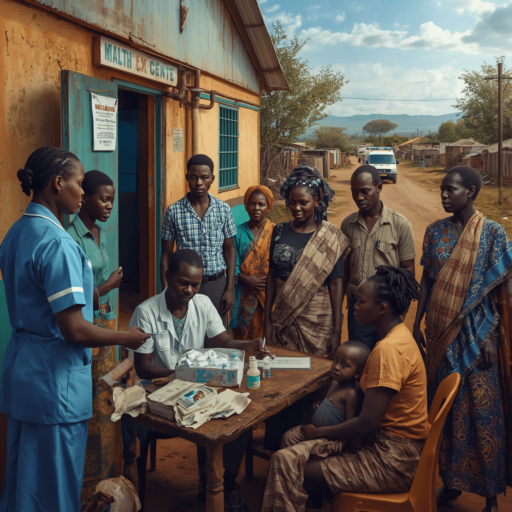
A person living in a large city may find several health centers, a pharmacy, and sometimes a specialized hospital within a few kilometers of their home. In some rural areas, the situation is different: people may have to travel several dozen kilometers to consult a healthcare professional or access appropriate care. Yet, the right to health should not depend on where a person lives. So why does access to healthcare remain so different between cities and rural areas?
The Same Right to Health, but Different Realities
The right to health applies to both urban and rural populations. In principle, living in a village or an isolated area should not reduce a person’s ability to receive healthcare. In reality, access conditions are different. Large cities generally have more health centers, doctors, equipment, and specialized services. Rural populations often have fewer facilities and resources. The challenge is therefore not only to recognize the right to health, but also to make it effectively accessible to everyone.
Distance Remains a Major Obstacle
In rural areas, the first problem may simply be distance. A health center may exist but be located far from where people live. Poor road conditions, limited transportation, and travel costs add to the difficulty. For a low-income family, these obstacles may delay a consultation or make certain forms of care difficult to obtain. An available healthcare service is not necessarily an accessible one.
Inequality also Concerns the Quality of Services
The difference between urban and rural areas is not limited to the number of health centers. It also concerns available healthcare professionals, medicines, equipment, and access to specialized care. A rural facility may provide basic healthcare without having the resources needed to handle more complex situations. Patients may then have to be referred to a facility in another city, sometimes very far away.
Reducing the Gap to make the Right Truly Accessible
Reducing inequalities between cities and rural areas requires strengthening rural health centers, improving the distribution of medical staff, ensuring the regular availability of essential medicines and equipment, and improving roads and medical transportation. Mobile healthcare services and, where conditions allow, telemedicine can also bring certain services closer to remote populations. The challenge is therefore to move from a right recognized on paper to a right that is genuinely accessible.
Conclusion
Rural and urban populations have the same rights regarding health. Yet, their actual opportunities to access healthcare often remain different. A person’s place of residence should not determine their chances of obtaining the healthcare they need.

Comments are closed.