
Introduction
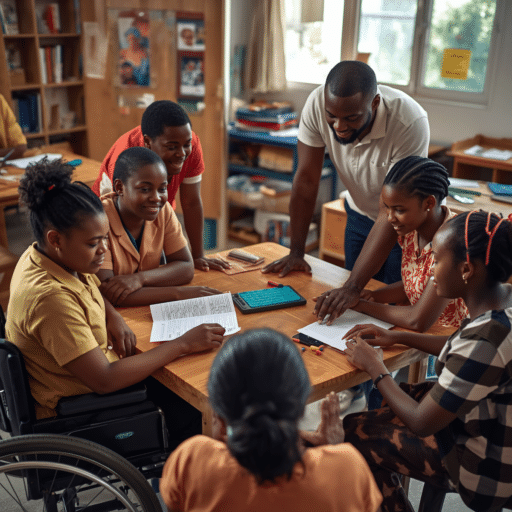
Inclusive education is an approach that seeks to ensure that all learners, regardless of their abilities, backgrounds or individual circumstances, learn together in supportive and accessible educational environments. For learners with disabilities, inclusive education can have significant academic, social and emotional implications. When properly implemented, it can promote equality, dignity and participation while reducing discrimination and exclusion.
Academic Development
Inclusive education can improve learning opportunities for learners with disabilities by allowing them to access the same curriculum and educational resources as their peers. With appropriate support, such as assistive technologies, adapted learning materials and specialized teaching methods, learners with disabilities can develop their academic abilities and achieve their educational goals. However, inclusion without adequate resources may create challenges. Overcrowded classrooms, insufficient teaching materials and a lack of trained teachers can make it difficult to provide individualized support.
Social and Emotional Development
One major benefit of inclusive education is increased social interaction. Learners with disabilities can develop friendships, communication skills and a stronger sense of belonging by learning alongside other students. This can reduce feelings of isolation and build self-confidence. Inclusive classrooms can also benefit learners without disabilities because they encourage respect, empathy, cooperation and acceptance of individual differences. In this way, inclusion contributes to building more tolerant communities.
Challenges of Inclusive Education
Despite its benefits, inclusive education may present challenges. Some learners with disabilities may experience bullying, discrimination or negative attitudes from peers. Teachers may also struggle when they lack adequate training in special and inclusive education. Schools therefore need accessible infrastructure, qualified teachers, appropriate learning materials and strong policies to make inclusion meaningful rather than merely placing learners with disabilities in mainstream classrooms.
Conclusion
Inclusive education has the potential to transform the educational experiences of learners with disabilities by promoting equal opportunities, social participation and personal development. However, successful inclusion requires commitment from governments, schools, teachers, parents and communities. When adequate resources, trained teachers and supportive policies are provided, inclusive education can help every learner participate fully and reach their potential.

Comments are closed.