
Introduction
In many African families, menstruation remains a subject buried under a heavy blanket of silence and misplaced modesty. As a result, thousands of young girls experience their first period without any preparation. Surprise, fear, shame, or the belief that they may be suffering from a serious illness can turn this natural transition into adulthood into a deeply distressing experience. It is time to break the silence, challenge the taboo, and transform this initial shock into a source of pride and maturity.
The Blood of Silence: When Ignorance Breeds Fear
Imagine a 12- or 13-year-old girl discovering blood in her underwear without knowing where it comes from. This reveals the extent of an educational failure. Having never learned about biology or the menstrual cycle, she may immediately think she has been injured, punished, or subjected to an unspoken shame. This silence within families and communities leaves girls isolated at the very moment when they most need reassurance and clear guidance.
The Stigma of Taboo: The Impact on Education and Health
Lack of preparation does not only cause emotional distress; it can also disrupt girls’ education. In schools without adequate facilities or appropriate menstrual hygiene products, fear of staining their clothes or being rejected by classmates leads many students to miss several days of school each month. Worse still, the use of unhygienic cloths due to misinformation or poverty can expose these young girls to serious infections.
Simple Words and Kindness: How to Talk Without Taboo
Breaking the myths surrounding menstruation requires direct, open, and compassionate communication within families and schools, particularly by:
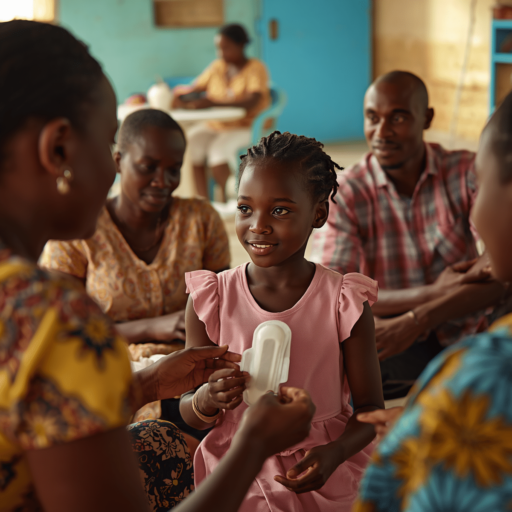
Preparing girls to reassure them: Explain the biology of the human body to both girls and boys before menstruation begins, in order to normalize the process.
Teaching practical management: Explain how menstrual products work, the importance of proper hygiene, and how to track the menstrual cycle to avoid unpleasant surprises.
Banning shame: Clearly emphasize that having a period is neither an offense nor a source of impurity, but a natural sign of a healthy body.
Educating a Girl Means Honoring the Woman of Tomorrow
Changing the way we view menstruation is a public health and equal opportunity issue. When families and communities support girls with care and openness, anxiety gives way to self-confidence. Recognizing this biological milestone allows adolescent girls to embrace womanhood with dignity, peace of mind, and pride.
Conclusion
A first period should never again be synonymous with fear or hidden shame. By breaking the silence surrounding menstrual health in Africa, we give girls the opportunity to grow up without fear and continue their education with dignity. Educating young people about menstruation means transforming a source of anxiety into a powerful pathway to well-being and pride for the women of tomorrow.
Social Media: https://tr.ee/1CNId-hU9S

Comments are closed.