
Introduction
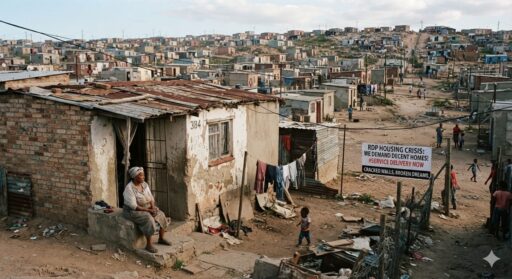
After years of apartheid, South Africa faced a major challenge: millions of people lacked proper housing, while inequality remained widespread. In response, the government introduced the Reconstruction and Development Programme (RDP) in the early 1990s, aiming to create a fairer and more inclusive society. A key part of this programme was providing affordable housing to poor families. RDP houses became an important way of giving millions of South Africans a safe place to live. Although this was a major step forward, it also revealed challenges that continue to affect communities today.
The Frustration of Waiting: Land and Service Delays
Waiting for land and basic services has been a major source of frustration for people hoping to receive RDP houses. Some families wait for years before receiving a home. Even after houses are built, residents may experience delays in accessing essential services such as proper roads, clean water, electricity and sanitation. These problems make everyday life difficult and demonstrate how challenging it can be to provide housing and basic services to those who need them most.
The Housing Crisis in South Africa: Overcrowding and Informal Settlements
Many South Africans cannot afford to buy homes because property prices are high and affordable loans can be difficult to access. For many poor families, RDP houses are therefore a lifeline. However, the demand for housing is much greater than the number of homes available. As a result, families may wait for years and, when they eventually receive homes, overcrowding can remain a problem. Some households share small houses with extended family members, while others move into nearby informal settlements. These settlements often lack reliable water, sanitation, electricity and other basic services, making living conditions difficult and unsafe.
The Cost of Corruption: Delays and Inequality in Housing
Corruption and poor management can also affect the delivery of RDP housing. Funds intended for housing projects may be misused or diverted for personal benefit. This can slow the construction of new homes and reduce the resources available for community development. Corruption can also create unfairness when people receive housing through favouritism or bribery while others remain on waiting lists. Such practices damage public trust and make it more difficult to address the housing crisis effectively.
The Struggle of RDP Owners Facing Illegal Occupants
Another challenge facing some RDP homeowners is illegal occupants. There have been cases where people unlawfully occupy homes, leaving legitimate owners feeling unsafe and powerless. Elderly homeowners can be particularly vulnerable after waiting many years to receive secure housing. Losing access to a home can leave families distressed and financially insecure. Illegal occupation undermines the purpose of RDP housing by threatening the safety and stability that these homes are meant to provide.
Conclusion
The RDP housing crisis remains a serious challenge in South Africa, but it also highlights the need for continued action. Many families have endured years of waiting, overcrowding and inadequate services, yet their resilience remains important. Addressing the crisis requires more than simply building houses; it requires creating safe, sustainable communities where people can live with dignity. Greater transparency, effective management and accountability can help reduce corruption and delays. Protecting legitimate homeowners is also essential. With continued commitment and cooperation, South Africa can work towards ensuring that everyone has access to safe, affordable and dignified housing.

Comments are closed.