
Introduction
Neglected tropical diseases, such as onchocerciasis, soil-transmitted helminth infections, schistosomiasis, leprosy and Buruli ulcer, can cause disabilities, lasting stigma and significant social and economic consequences. They mainly affect the poorest populations and communities living in rural or hard-to-reach areas. In Benin, major progress has been made: according to the WHO, the country has eliminated three neglected tropical diseases at the national level. However, this achievement does not mean that the fight is over. In January 2026, a media forum held in Cotonou highlighted the need to keep these diseases on the public agenda, strengthen funding and bring interventions closer to communities.
Diseases Affecting the Most Vulnerable Populations
Neglected tropical diseases are not neglected because they are harmless. They are mainly neglected because they affect populations with limited resources and little ability to make their needs heard. According to the WHO, they are associated with high levels of morbidity, disability and stigma, and contribute to a cycle of poverty. In Benin, distance from health centers, lack of information, and inadequate access to water and sanitation can make prevention and access to healthcare more difficult. Their consequences therefore go beyond the medical sphere. A person living with leprosy may experience social rejection even before receiving treatment. Repeated parasitic infections can affect a child’s well-being and learning abilities. A person affected by Buruli ulcer or onchocerciasis may experience reduced autonomy and loss of livelihoods. The fight against these diseases must therefore combine screening, treatment, rehabilitation, social protection and efforts to combat stigma.
Benin Has Achieved Major Victories, but Elimination Must Be Sustainable
Benin is among the African countries that have eliminated three neglected tropical diseases at the national level: dracunculiasis, also known as Guinea-worm disease; human African trypanosomiasis, or sleeping sickness; and trachoma. This achievement demonstrates the effectiveness of disease surveillance, public health campaigns, community engagement and collaboration between health authorities and partners. However, eliminating a disease as a public health problem does not necessarily mean that all risks disappear immediately. It requires continued surveillance, rapid detection of potential cases and measures to prevent resurgence. This requirement is consistent with the WHO global roadmap, which sets targets for 2030 to prevent, control, eliminate or eradicate several diseases and groups of diseases. In 2025, the WHO annual report on Benin reported mass treatment campaigns against onchocerciasis, soil-transmitted helminth infections and schistosomiasis. These interventions show that the strategy must combine several approaches: medicine distribution, improved sanitation, access to water, vector control, health education and care for people already affected.
Communities and the Media Will Play a Decisive Role
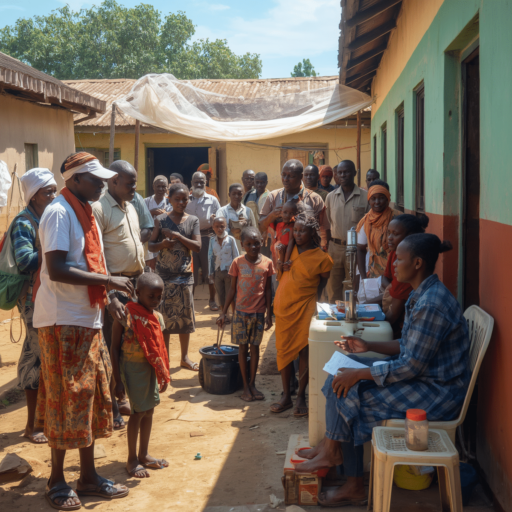
Programs to combat neglected tropical diseases cannot rely solely on health facilities. Community health workers, teachers, religious leaders, patient associations and local authorities play an essential role in explaining symptoms, encouraging early care-seeking and combating misconceptions. A successful intervention is one that is understood, accepted and supported by the community. The media also have a particular responsibility. Neglected tropical diseases remain largely invisible when reporting focuses only on medicine distribution campaigns. It is important to share the experiences of affected people, highlight the consequences of stigma, explain warning signs and report on how resources are used. The NTD Media Forum held in Cotonou on 29 and 30 January 2026 specifically emphasized this role: keeping these diseases on the political agenda, improving the quality of information and supporting sustainable funding. The next step is to further integrate NTD interventions into primary healthcare. People should be able to receive appropriate referrals, diagnosis and follow-up within a healthcare system close to where they live. This integration would reduce missed opportunities, improve continuity of care and ensure better management of complications.
Conclusion
Benin has made significant progress in the fight against neglected tropical diseases, but these gains remain fragile if surveillance, funding and community engagement decline. Mass treatment campaigns are necessary, but they must be complemented by accessible health services, better management of long-term complications and sustained efforts to combat stigma. Sustainable elimination will not depend on medicines alone. It will also require access to water, sanitation, education, quality data and the ability of communities to participate in decision-making. By giving visibility to affected people, the media can help transform a public health victory into lasting social progress.

Comments are closed.