
Introduction
Nestled in the landscapes of Madagascar’s Central Highlands lies an iconic forest known as Ala Tapia. In Malagasy, “ala” means “forest”, while “tapia” refers to the tree that characterises this ecosystem. This endemic species, scientifically known as Uapaca bojeri, is found exclusively in Madagascar. Resistant to bushfires, the tapia tree is not only an essential component of the ecosystem but also a valuable cultural and economic resource for local communities.
An Ecological and Cultural Sanctuary
The tapia forest is home to remarkable biodiversity. Its resilience to fire contributes to soil protection and environmental preservation. It is also home to the “landibe”, a wild silkworm that produces a rare fibre. This silk is used to make traditional fabrics, including engagement garments, ceremonial clothing, and the “lambamena”, a burial shroud that expresses respect for the deceased and honours ancestral traditions. In “kabary”, a traditional Malagasy art of public speaking recognised by UNESCO as intangible cultural heritage, the tapia tree also serves as a source of poetic inspiration. Speakers, known as mpikabary, use it to illustrate and enrich their speeches.
Everyday Flavours
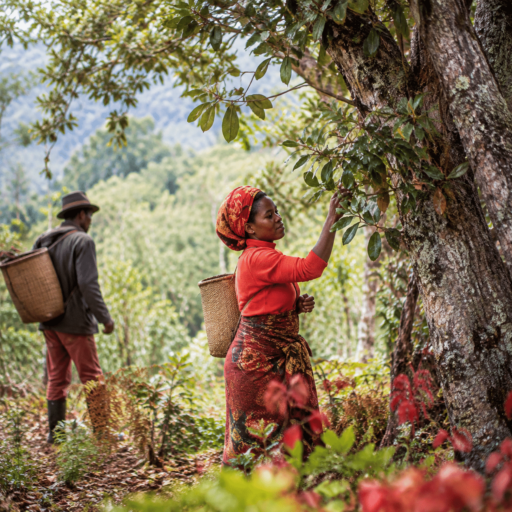
The forest provides local communities with products that contribute to both their diets and their livelihoods. Its fruits, known as “voan-tapia”, are collected after falling naturally to the ground. Appreciated for their sweet taste, they are eaten fresh or dried and are also processed into traditional wines by small local businesses. Ala Tapia offers other food resources, including edible moth larvae known as “bokana” and various mushrooms. Sold in local markets, these products help sustain the local economy and support household incomes.
A Heritage Under Threat
Despite its importance, the tapia forest faces increasing pressure. According to Planète Urgence, its remaining area is estimated at just 8,400 hectares. Deforestation, charcoal production, bushfires, illegal logging, and hunting threaten its long-term survival. In response, initiatives involving reforestation, agroforestry, and the sustainable development of wild silk production are being implemented. Raising awareness among younger generations is also essential to preserving this natural and cultural heritage.
Conclusion
Ala Tapia is far more than a forest: it embodies the deep connection between nature, culture, and the livelihoods of Malagasy communities. Its preservation reminds us that protecting an ecosystem also means safeguarding an identity, cultural traditions, and essential resources. Achieving a balance between sustainable use and conservation is vital to ensuring that future generations can continue to benefit from this living treasure of Madagascar.
Social Media: https://www.facebook.com/steward.raoeliarinoro

Comments are closed.