
Introduction
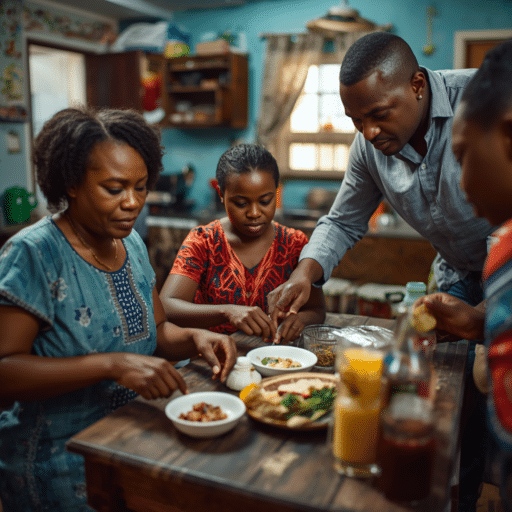
In many Nigerian homes today, the dinner table tells a quieter story than inflation reports do. Meat now appears in smaller portions. Fish is stretched across several meals instead of one. Fruits and milk, once normal parts of a child’s day, have slipped out of reach for many families. Behind these small adjustments lies a larger shift: food, once the most basic guarantee of family life, is fast becoming a luxury households must budget for with painful precision.
The Numbers Behind the Struggle
Nigeria’s food inflation climbed steadily through 2026, moving from single digits in January to well above 16 percent by mid-year, even as headline inflation eased slightly. Staples that once anchored the Nigerian diet, rice, beans, yam, and eggs, all recorded sharp price increases, with legumes and tubers among the hardest hit. For a worker earning minimum wage, a modest basket of rice, chicken, garri, yam, and onions can now consume a significant share of monthly income before rent or school fees are even considered.
What Families Are Giving Up
The most immediate casualty has been protein. Parents who once served meat or fish without hesitation now measure portions carefully, sometimes serving stew with little more than seasoning where meat used to be. Milk, once a breakfast staple, is disappearing from many homes, and fruits have become occasional treats. Families are not necessarily eating less often, but differently, leaning heavily on starch-based staples like rice, garri, and bread, not out of preference, but because these remain the most affordable way to fill a plate.
The Hidden Cost of Cheaper Meals
This shift carries consequences beyond the kitchen. Repeatedly choosing the cheapest food over the most nutritious one can quietly erode a family’s health, particularly for children, whose growth depends on consistent access to protein and micronutrients. A household may still eat three meals a day and appear to be coping, while the quality of what is on the plate steadily declines, a kind of hunger that does not always show on the outside.
Coping, Adjusting, Surviving
Nigerian families are responding with both hardship and resourcefulness. Some now shop with fixed budgets and shorter lists, buying only what is essential. Others have returned to local, less processed foods, beans, millet, sweet potatoes, groundnuts, and leafy vegetables, which nutrition experts note can be more affordable and nutritionally valuable than packaged alternatives.
Conclusion
The rising cost of living in Nigeria is doing more than straining household budgets; it is quietly reshaping what a family meal looks like. When food becomes something to be rationed rather than simply shared, the effects reach far beyond the kitchen table. Addressing this will require sustained attention to wages, food production, and market stability, so that a nutritious family meal remains a right, not a privilege reserved for the few who can still afford it.

Comments are closed.