
Introduction
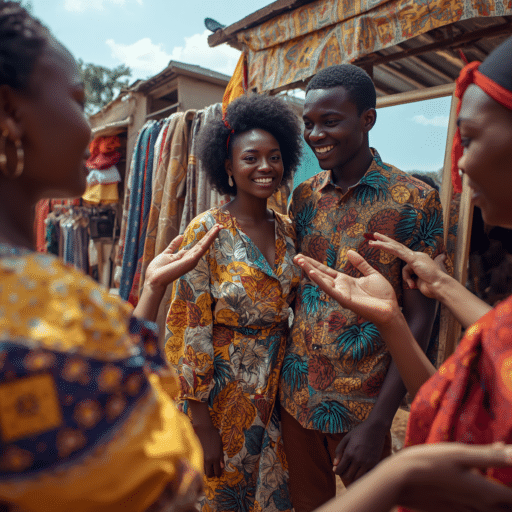
The Setswana proverb, “Monna ga betwe o potokwa fela,” reminds us that a person is not chosen merely for their outward appearance. In modern society, this wisdom resonates strongly as families and communities often try to influence who their children marry. Many unions have ended despite genuine love, not because of incompatibility, but due to relatives or friends disapproving of a partner’s looks. This raises a key question: do we marry for societal approval or personal happiness? The goal is not to discourage marriage but to create spaces where love and personal choice take precedence over superficial judgment.
The Role of Family and Society in Marriage
Marriage is a cherished milestone, shaping identity, adulthood, and community belonging. Despite its personal nature, external opinions from families, friends, and social circles often influence partner selection. While love grows from emotional connection, shared values, companionship, and mutual respect, outsiders frequently emphasize superficial traits such as complexion, height, or facial features.
In Botswana, this societal influence is even reflected in music. A famous song asks, “O ne o mmeile kae? Mosadi o montle ona?” which can be a welcoming comment or a subtle critique. While culture enriches relationships, these societal expectations can place undue pressure on couples.
When Looks Overshadow Love
Allowing others to determine what is attractive shifts the foundation of marriage from compatibility to public approval. A partner may enter a marriage feeling judged or undervalued, leading to tension and emotional strain. Over time, the pressure of meeting external standards can erode trust and intimacy. In extreme cases, couples who deeply love each other may part ways simply because they cannot satisfy societal expectations.
Love is a Personal Choice
Love, attraction, and commitment are deeply personal. Choosing a partner is about selecting a lifelong companion, not a model to be evaluated by the community. Families should foster supportive environments where new partners are welcomed with warmth and respect. Acceptance should focus on the joy, stability, and love a person brings to their partner’s life, rather than their wealth, beauty, or status.
Building Healthy Family Acceptance
To strengthen marriages, families must prioritize emotional connection over appearance. Encouraging acceptance based on character and compatibility reduces pressure and promotes sustainable, happy unions. Communities that respect personal choice in marriage cultivate relationships rooted in love, trust, and mutual growth.
Cultural Wisdom and Modern Relevance
The proverb “Monna ga betwe o potokwa fela” highlights timeless wisdom: true love is not about outward beauty but the inner qualities that sustain a relationship. Even as societies modernize, respecting individual choice ensures that partnerships are built on compatibility, shared values, and genuine affection, rather than external validation.
Conclusion
Who decides the looks of a partner? The answer is simple: the individual who loves, chooses, and commits. Marriage is not a public performance; it is a sacred bond built on private affection and shared purpose. Families and communities add value through support and blessing, but should not impose superficial standards. By prioritizing love over appearance, Botswana families can honour relationships that enrich lives and strengthen the fabric of society. Indeed, the proverb endures: “Monna ga betwe o potokwa fela.”

Comments are closed.