
INTRODUCTION
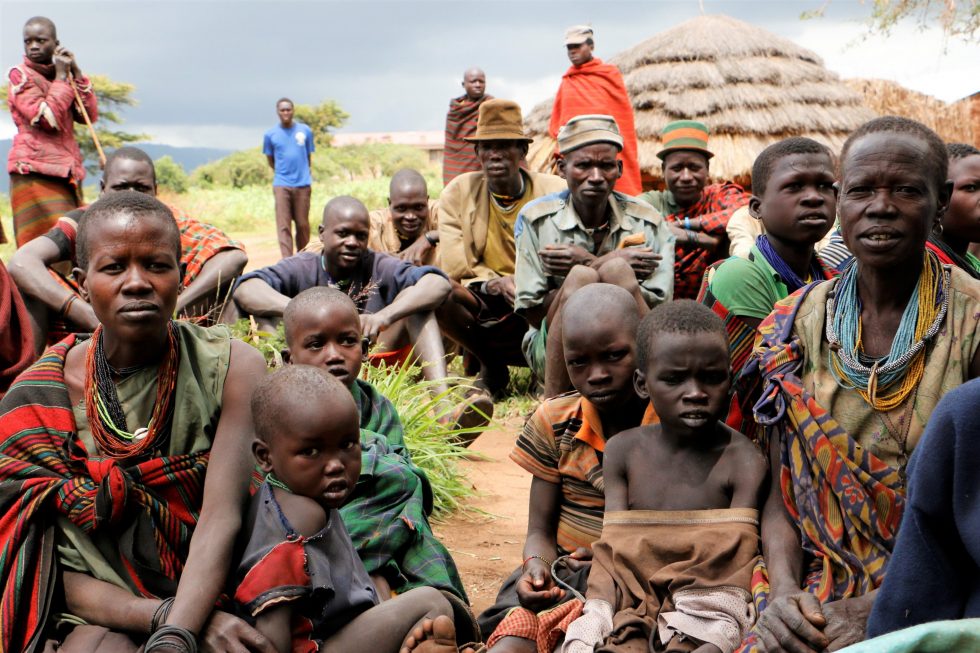
The Kumam belong to the Atekerin family together with the Langi, the Iteso and the Karimojong. This is the group of people who is often referred to as the Nilo-Hamites. They live in the western areas of Teso and southeast of Lango. In Teso, they are found in the counties of Kaberamaido, Soroti and Serere and, in Lango, in the county of Kioga. Today, they can also be traced in other areas of Uganda, particularly in Busoga, Tororo and Buganda. Although they speak a Luo dialect, their language is not Luo. It is Kumam. The Kumam language is over two-thirds Luo and one-third Ateso.
How the Kumam handles death within their community
Unlike in urban society, where people only get to find out about a loved one’s death on social media or during the collection of condolence, it is a little bit unique in a distant village called Dokolo.
After the death of a community member, a drum is heard beating in the direction of the deceased. Loud wailing is heard mostly among the women notifying the village of death. Within a few minutes, almost all community members run to the deceased’s home and soon, there is a hive of activity.
Men take part in clearing the compound of weeds and overgrown vegetation so that mourners soon arrive to find a neat home for burial. This, they believe, removes shame from the grieving family. Women are seen collecting firewood, and soon the grass-thatched kitchen emits smoke as food is placed over the fireplace.
The village head quickly calls for meetings, and every household must pledge or contribute towards burial arrangements or offer help in some way. This saves and avoids costs compared to towns where service providers are hired to take care of all burial arrangements. Community members contribute to even the food cooked at the vigil and burial.
How impressive is this behaviour?
This kind of communism is impressive because everyone actively sends off the dead in this society. No, one is allowed to go and work on the day the deceased is to be buried. Anyone found in their gardens working is either flogged or fined heavily in case leniency is considered. This also applies to attending the burial. Anyone found at home and not attending faces the same consequences as those found working on burial days.
conclusion
The unity that this tribe puts out when another is in need or facing difficulty is something I believe the modern community should look into and try to take up. The current ‘’modern’ man is too individualistic and self-centred. People cannot hold prolonged and productive human interactions. Technology has surely done more harm than good. We need to look into the ways of these indigenous groups and borrow a leaf or two.
