
Introduction
In Côte d’Ivoire, simply moving from one region to another can reveal a different way of speaking, cooking, celebrating a festival or telling a story. This diversity is part of the country’s very foundation. Côte d’Ivoire is home to more than 60 ethnic groups, which are generally grouped into five major cultural areas: Akan, Northern Mande, Gur or Voltaic, Kru and Southern Mande. Behind these figures are different languages, traditions, skills and histories. This diversity is a great cultural asset. But how can it be preserved without becoming a source of division?
An Ethnic Diversity That Shapes Ivorian Identity
Ivorian diversity can be seen in many aspects of everyday life. Different communities have developed their own traditions, forms of social organization, artistic expressions, culinary practices and languages. From north to south and from east to west, local cultures have therefore left their mark on the country’s identity. This diversity shows that Côte d’Ivoire is not a single, uniform culture, but rather a combination of cultures that contribute to a shared national identity.
When Different Cultures Meet
Cultural diversity in Côte d’Ivoire is not limited to the coexistence of different communities. People move, study, work and live together in different parts of the country. These encounters encourage cultural exchange. A tradition can be discovered in another region, a recipe can travel, an expression can become part of everyday language, and different practices can come together within the same family. Contemporary Ivorian culture is therefore also shaped by these interactions and cultural exchanges.
A Wealth Worth Preserving and Promoting
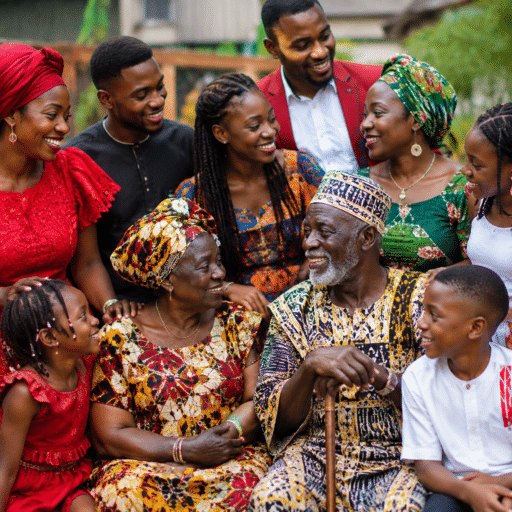
For Côte d’Ivoire, this cultural plurality represents an important heritage. Languages, dances, stories, clothing, handicrafts, festivals and traditions are all elements that can be passed on to younger generations and promoted through culture, education and tourism. Diversity can also provide an opportunity for people to learn more about one another and develop greater appreciation for different cultural backgrounds.
Preserving Diversity Without Creating Divisions
Cultural diversity can only be a collective asset when it is experienced with mutual respect. Ethnic differences should not be used to divide citizens or confine people to their communities of origin. Preserving cultural heritage should instead focus on transmission. Younger generations can learn the languages and traditions of their communities, discover those of others and contribute to their preservation. Schools, families, the media, cultural organizations and public authorities all have a role to play.
Conclusion
With more than 60 ethnic groups, Côte d’Ivoire has remarkable cultural diversity. Yet this richness cannot be reduced to a number. It lives in the languages spoken, the stories shared, the traditions passed down and the different ways of life that shape Ivorian society. Diversity can become one of the foundations of a richer national identity, provided that it is understood, respected and passed on to future generations.

Comments are closed.