
Introduction
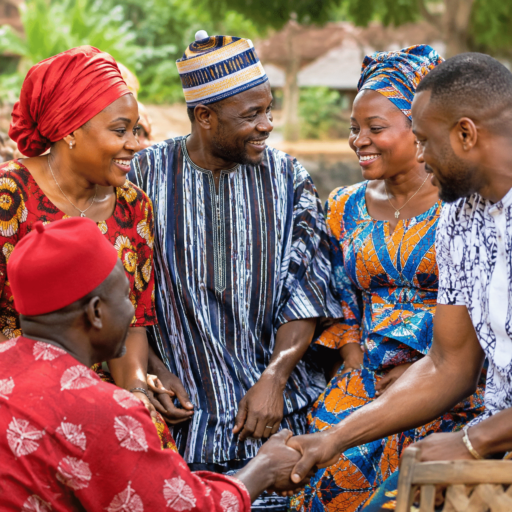
Côte d’Ivoire is a land of cultural, linguistic, and ethnic diversity. Yet this diversity has never prevented communities from building bonds of fraternity and solidarity. Among these traditional mechanisms are interethnic alliances, also known as joking relationships. Far more than a simple form of verbal play, they have contributed to bringing communities closer together, resolving disputes, and maintaining peaceful relations. However, some of the values associated with these alliances appear to be less well-known or less frequently passed down today.
Interethnic Alliances as Cultural Heritage
Interethnic alliances are part of a social heritage through which African communities have historically organized their relationships. In Côte d’Ivoire, they exist among many groups and take different forms depending on the communities involved and their history. Their uniqueness lies in the importance given to speech, humor, and the recognition of a special relationship between communities. Certain jokes therefore carry a deeper meaning: they recall the existence of a social bond recognized by both sides. Behind the humor, however, lies above all a philosophy of coexistence.
A Tradition in the Service of Peace
The strength of interethnic alliances becomes evident when they are viewed as tools for preventing and managing tensions. They can facilitate dialogue and help defuse certain conflicts. This role is recognized in Côte d’Ivoire. In July 2024, the Ministry of National Cohesion organized the Inter Allied Festival for Cohesion and Peace in Touba. In April 2026, an Interethnic Alliances Day was held in Bédiala under the theme: “Interethnic alliances, the foundation of social cohesion in Bédiala.” These alliances do not replace the justice system or public administration, but they can complement these mechanisms through a cultural language familiar to local communities.
From Tradition to Transmission
The real challenge today is the gradual loss of the meaning behind these alliances among some generations. Urbanization, mobility, and changing lifestyles are transforming how traditions are passed down. The risk is that people may preserve the jokes while forgetting the responsibility that comes with them. If young people know only the words and teasing associated with an alliance without understanding its history and significance, the tradition may become nothing more than cultural entertainment. It is therefore necessary to make this heritage better known within families, schools, and youth associations. The goal is not to mechanically reproduce the past, but to pass on its fundamental values: respect, dialogue, solidarity, hospitality, and the rejection of violence.
Conclusion
Interethnic alliances are a valuable social heritage of Côte d’Ivoire. Their value lies not only in the jokes that characterize them, but also in the trust, respect, and fraternity they represent. Preserving them means passing on to future generations a philosophy of coexistence deeply rooted in our history. In a Côte d’Ivoire facing challenges related to social cohesion, reclaiming this heritage can contribute to building a society where diversity is not a source of division, but a wealth worth protecting.

Comments are closed.