
Introduction
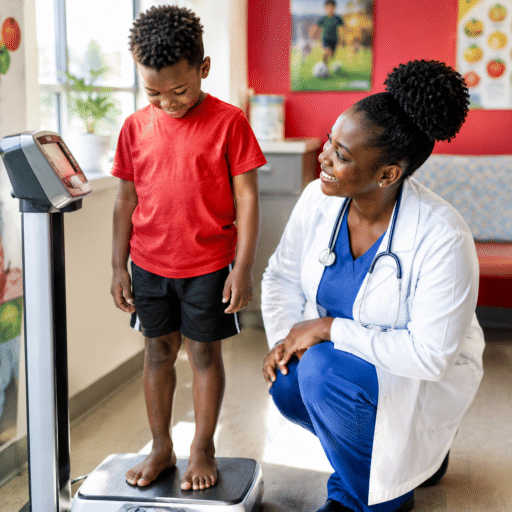
Appearance is a precious gift from God, reflected in every child in a unique and beautiful way; whether tall or petite, fair or olive-skinned, curly-haired or straight-haired, each form carries its own radiant charm. Just as we cherish any precious gift from God, we must nurture it with love by nourishing our children’s bodies wisely, keeping them active and light, so their natural beauty can glow with health, vitality, and joy. Yet, one of the main threats to this precious gift today is childhood obesity, which the World Health Organization (WHO) defines as abnormal or excessive fat accumulation that presents a risk to health, with a Body Mass Index (BMI) for age greater than two standard deviations above the WHO growth standard median.
Why Should We Worry Early?
Worldwide, childhood obesity is rising fast, as reported: 35 million children under 5 are overweight, and over 390 million children aged 5-19 are overweight, with 160 million living with obesity. Asia carries the largest burden with 16.3 million young children affected, followed by Africa with 9.7 million, Latin America 4.1 million, Europe 2.6 million, and Oceania 0.3 million, showing that no continent is spared. Obesity is not just extra weight; it harms the whole child. Physically, it strains the growing body and raises the risk of diabetes, high blood pressure, asthma, fatty liver, and joint and bone pain. Psychologically, it exposes children to bullying and leads to low self-esteem, anxiety, depression, and withdrawal from friends. Socially, it limits their ability to play, join sports, and participate actively at school. Economically, it increases family healthcare costs and reduces future productivity, as a child with obesity is five times more likely to stay obese as an adult. Those disastrous statistics and short and long-term complications emphasize the importance of obesity prevention and management.
What’s Really Behind the Weight Gain?
True and lasting prevention of childhood obesity can only be achieved when we have a comprehensive understanding of its complex and interconnected underlying causes. To understand why obesity happens, we can look at it through a simple idea called “The 4 Corners Approach”, where childhood obesity is like a house standing on four weak corners. First, the Kitchen Corner, which represents unhealthy eating habits such as excessive consumption of fast food, sugary drinks, sweets and large portion sizes instead of fruits and vegetables. Secondly, the Couch Corner, which represents lack of physical activity as children spend long hours on screens and video games with little outdoor play or sports to burn calories. Thirdly, the Home Corner, which includes genetic factors and the powerful influence of family lifestyle that children naturally copy. Lastly, the World Corner, which includes psychological factors like stress, boredom and emotional eating, combined with environmental factors like lack of safe places to play and constant advertising of unhealthy foods to children. This approach will serve as the master key that empowers parents to properly nurture, protect, and guide their precious children towards a healthier life.
How Can We Build Healthy Habits at Home?
Parents play a pivotal role in preventing childhood obesity, as they are the primary architects of their children’s eating habits, physical activity, and overall lifestyle. They can follow an inspiring blueprint to safeguard their children’s health. To begin with, they can make the kitchen colorful by turning healthy eating into an art project with vibrant fruits, vegetables, and whole grains while replacing sugary drinks with fresh water. In addition, they can make movement magical by transforming exercise into exciting family adventures like bike rides, living room dance parties, and park treasure hunts. Furthermore, they can reset the daily routine by swapping extra screen time for quality sleep and active play to help balance the body and mind. Ultimately, they can lead with love by being the ultimate role model and creating a cheerful, encouraging home where every small healthy choice is celebrated. This blueprint will positively transform the entire community, as healthy and energetic children will grow into active adults who inspire others, raise stronger families, and build a more productive and thriving society.
Conclusion
In conclusion, preventing childhood obesity requires a united effort from the entire family and community, reminding us of the powerful words of pediatrician Dr. Ann Wigmore, who said that “the food you eat can be either the safest and most powerful form of medicine or the slowest form of poison.”

Comments are closed.