
Introduction
Perhaps the most visible structural crisis affecting our communities today is the total breakdown of the traditional family trajectory caused by youth unemployment. Historically, the socio-economic pipeline was clear: young adults obtained an education or skill, entered the workforce, established their own independent households, and eventually provided financial support to their aging parents. Today, that pipeline is severely broken. National youth unemployment sits at alarming numbers. Thousands of capable young people hold diploma and degree certificates, yet face a market with no job openings, no entry-level positions, and virtually no sustainable business opportunities.
The Burden of Multi-Generational Dependency
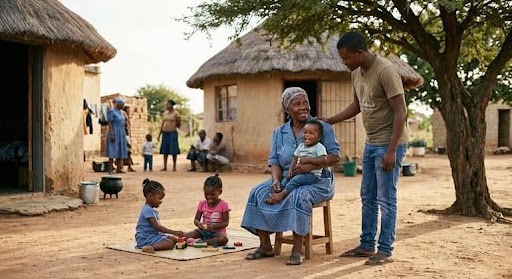
This economic gridlock has created a complex, high-friction dynamic inside multi-generational homes. Elderly parents and pensioners find themselves forced to continuously stretch their limited pensions or small incomes to support not only their adult children, but their grandchildren as well. Young mothers and fathers are forced to raise their infants under their parents’ roofs while remaining entirely dependent on elders for basic daily essentials like diapers, formula, and clothing. This prolonged financial dependency inflicts deep psychological damage on young parents. Being unable to provide basic shelter and sustenance for your own child strips away personal dignity and frequently breeds deep feelings of inadequacy, resentment, and depression. Furthermore, it confuses household dynamics for growing children, who are raised in crowded homes where authority lines between tired grandparents, unemployed parents, and co-habitating aunts or uncles become blurred and conflicting.
Economic Agency and Positive Parenting
How can we realistically ask a young adult to practice intentional, confident, positive parenting when they have been systematically denied the economic agency required to function as an independent adult? Positive parenting is directly tied to economic dignity and structural stability. Until our broader society addresses the youth employment crisis and creates meaningful pathways for economic self-determination, our homes will continue to bear a heavy emotional burden they were never structurally designed to carry alone.
Conclusion
Addressing the crisis of extended dependency demands systemic economic reform paired with targeted household support. Empowering young adults economically is not just an employment issue, it is a vital step toward restoring dignity, family stability, and effective parenting in our society.
Social Media: https://www.facebook.com/direnyane/

Comments are closed.