
Introduction
Evidently, global tensions may be reshaping international travel, however they have not stopped people from moving. Despite geopolitical conflicts, immigration controls and the economic disruptions of recent years have been made tighter, tourism continues to demonstrate an ability to adapt. For travellers, however, navigating today’s world can mean balancing the desire to explore with uncertainty around borders, diplomatic relations and regional stability. For destinations, particularly in developing economies, tourism remains dependent on employment, local businesses and economic recovery.
Borders Tighten, Travel Adapts
Tourism has traditionally depended on open borders, international cooperation and relatively seamless movement between countries. But rising global tensions and trade disputes have made things more complicated. Yet travel patterns are not necessarily disappearing, they are changing. When certain routes become more difficult or destinations less accessible, travellers and tourism operators can look towards alternative markets and regional corridors. This has created greater interest in destinations perceived as accessible, culturally significant or relatively stable. The question, then, is not simply whether people will continue travelling, but where they will travel and how the industry will adapt to a changing global landscape.
Africa Looks Closer to Home
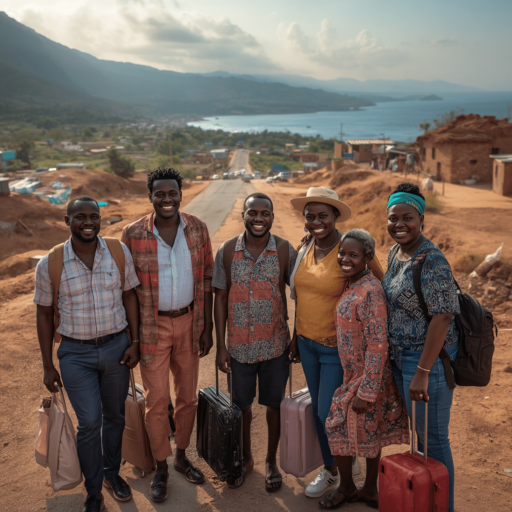
Africa offers an important example of how tourism can become more resilient by looking beyond traditional international markets. Countries such as Kenya, Rwanda and South Africa have increasingly explored intra-African tourism alongside sustainability-focused approaches as the sector recovers from major global disruptions. Regional integration can make a huge difference here. Initiatives like the African Continental Free Trade Area (AfCFTA) and easier visa policies are breaking down barriers, making it so much easier for people to move around and connect across African markets. For economies that rely heavily on tourism, drawing in visitors from neighboring countries acts as a crucial safety net when international travel gets unpredictable.
Can Tourism Survive Crisis?
Tourism is particularly vulnerable during periods of instability because it depends on mobility, disposable income and open borders. The COVID-19 pandemic showed just how quickly those foundations can disappear, with international travel falling dramatically during widespread restrictions. The effects extended beyond airlines and hotels. Tour operators, restaurants, transport providers and small businesses dependent on visitors were also affected. Even so, tourism has proven time and again how quickly it can bounce back. When usual travel patterns fall apart, destinations can recover by tapping into new markets, adapting to changing habits, leaning into regional travel, and pushing for smarter policy changes.
Conclusion: The World Keeps Moving
Tourism cannot remain completely covered from wars, economic downturns, natural disasters or political tensions. However, neither does it simply stop whenever the global environment becomes difficult. Travellers adjust. Businesses pivot. Destinations search for new markets. For Africa, strengthening regional tourism could therefore be more than a recovery strategy. It could become an important part of building a tourism sector that is less dependent on distant markets and better positioned to withstand future global shocks. The world may be politically divided, but the desire to explore, connect, and move across borders continues. Tourism has shown that resilience is not about avoiding disruption but adapting to it. As travelers explore new routes and destinations that look beyond traditional markets, the industry continues to find ways to move forward, even when the world around it is uncertain.

Comments are closed.