
Introduction
Menstrual hygiene is a crucial component of public health that directly impacts the daily lives of millions of individuals across Africa. However, a significant portion of the population faces period poverty (the inability to afford or access sanitary products and waste management facilities). This challenge often prevents individuals from fully participating in daily educational and economic activities. Addressing this issue is essential for improving community well-being and ensuring equal access to development opportunities. Examining the causes and practical solutions helps clarify how communities can successfully manage this health necessity.
The Financial Obstacles to Monthly Hygiene
Sanitary products represent a continuous monthly expense that strains low-income household budgets. In many regional markets, the high cost of disposable pads forces families to prioritize food and basic utilities over hygiene items. This economic barrier frequently leads to school absenteeism, as students choose to stay home rather than face public embarrassment. Research indicates that a notable percentage of young learners miss several school days each month during their cycle. This regular absence accumulates over time, resulting in lower academic performance and higher dropout rates.
Sanitation Infrastructure in Learning Environments
The impact of expensive products is intensified by inadequate water, sanitation, and hygiene infrastructure in public institutions. Many schools lack private restrooms, clean running water, and secure disposal systems for sanitary waste. Without these vital resources, managing biological needs with dignity becomes exceptionally difficult for students. The lack of clean facilities also increases exposure to various reproductive and urinary tract infections when alternative materials are used. Proper school infrastructure is therefore just as important as product affordability for maintaining health.
Local Innovation: Turning Menstrual Poverty into Sustainable Solutions
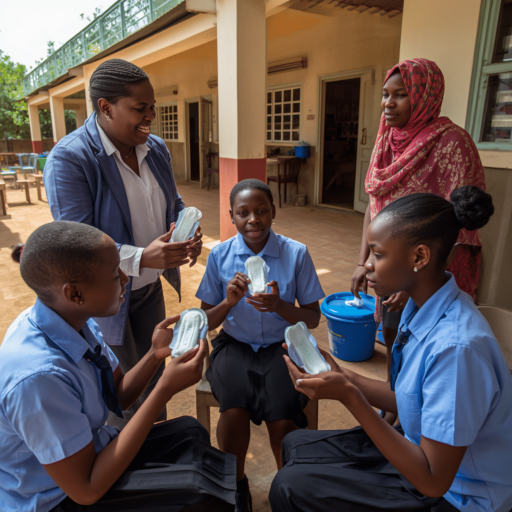
Local innovation can turn menstrual poverty into an opportunity for sustainable development. Women-led cooperatives can produce affordable reusable pads, while agricultural waste can be explored for biodegradable alternatives. School-based pad banks and rural distribution networks can ensure that no girl misses school because of her period. These solutions combine affordability, environmental sustainability, job creation and improved menstrual health.
Conclusion
In conclusion, managing menstrual health requires a combination of affordable products, improved school infrastructure and community awareness. Reducing the financial burden of hygiene items directly supports student attendance and long-term academic success. Looking ahead, the expansion of local eco-friendly manufacturing offers a sustainable path toward eliminating these health barriers permanently. Investing in these local solutions will ultimately foster healthier and more resilient societies across the continent.
Social Media: http://www.linkedin.com/in/juliettematselisosekepe.

Comments are closed.