
Introduction
Africa is rich in natural resources. From cocoa and coffee to crude oil, copper, lithium, and other minerals, the continent is known to produce many minerals the world needs. Given all these resources, it still does not generate economic wealth.
The problem is that many African countries still depend heavily on exporting raw materials and importing finished products. This leaves them exposed when global commodity prices fall. According to UN Trade and Development, commodities made up more than 60% of merchandise exports in 45 of Africa’s 54 countries in 2020. So, how can Africa turn its natural wealth into more sustainable economic wealth?
The Risk of Selling Raw and Buying Finished
Imagine a farmer in Africa sells cocoa beans to an international buyer. The beans may eventually become chocolate, packaged and sold at a much higher price. The farmer receives income, but much of the additional value is created elsewhere. The same principle applies to minerals and crude oil. When countries mainly export resources in their least processed form, they can miss opportunities to create manufacturing jobs, develop technical skills, and build businesses around those resources. This dependence also creates vulnerability.
Value Addition Changes the Opportunity
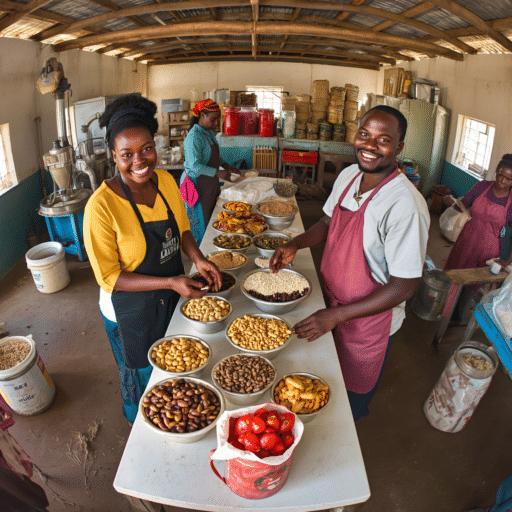
Value addition means doing more with what Africa already produces. For agriculture, this could mean turning cassava into flour or starch, cocoa into cocoa products, or tomatoes into packaged products. In mining, it can involve moving from simply extracting minerals towards processing activities where this is economically and environmentally viable. The goal is not to manufacture everything locally. That would be unrealistic and, in some cases, too expensive. The goal is to identify stages of production where African businesses can compete and capture more value.
The Missing Link: African Businesses
A common mistake is to think that value addition simply means building large factories or refineries. A factory alone does not create a strong industry. Around it, there must be farmers, transport companies, packaging businesses, engineers, financial institutions, technology providers, and other suppliers. For example, a food-processing company can create opportunities for local farmers while also supporting logistics companies, packaging manufacturers and retailers. This creates an economic network rather than one isolated business.
A More Realistic Strategy for Africa
African governments should begin measuring value addition differently. Instead of asking only, How many factories and refineries have we built?, they should ask, How many African businesses can participate in this value chain?
Government incentives could be tied to measurable outcomes, including local suppliers supported, workers trained, products exported, and small businesses integrated into supply chains, using accurate and verifiable data rather than inflated figures. African countries should also cooperate regionally, with countries contributing raw materials, processing capacity, or consumer markets to build stronger and more connected value chains.
Conclusion
Africa does not need to choose between exporting raw materials and completely shutting itself off from the global market. The best approach is to gradually move into activities that create more value, skills, and businesses around the resources it already has. Success should not be measured by how much Africa extracts but by the economic opportunities it creates. Resources can build businesses, skills, and knowledge that strengthen economies and benefit future generations.

Comments are closed.