
Introduction
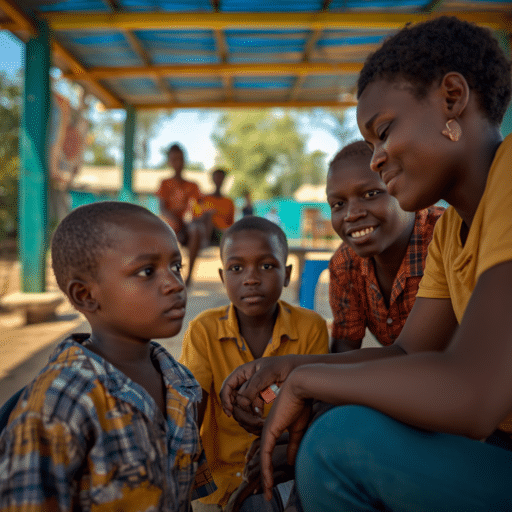
The President of the Republic of Zambia, Hakainde Hichilema, once cautioned that,“the boy child feels left out.” This statement reflects a growing realization that Zambia’s child rights discourse has become unbalanced, with significant attention directed towards empowering the girl-child while the vulnerabilities of boys can be overlooked. Zambia has made notable progress in protecting children through international and national legal frameworks, but the challenge remains in translating these rights into practice for every child, regardless of gender.
Education and Socio-Economic Challenges
Education is a fundamental right, yet boys in Zambia continue to face challenges that contribute to school dropout. In rural communities, economic hardship, child labour and peer pressure can force boys to leave school and engage in activities such as charcoal burning, fishing and street vending. Unlike some interventions addressing girls who leave school because of pregnancy or early marriage, there are limited equivalent support systems for boys facing economic and social barriers. This can contribute to undereducation, unemployment, substance abuse and involvement in crime.
Psychosocial Vulnerabilities and Gender Stereotypes
The challenges facing boys extend beyond education to emotional and psychological welfare. Cultural expectations often associate masculinity with strength, emotional suppression and independence. The common expression “Mwamuna Samalila”, meaning that a man does not cry, can discourage boys from expressing vulnerability or seeking help. Boys may also experience domestic violence, bullying and emotional neglect, while those living on the streets may face harassment, drug dependency and exploitation. Traditional expectations that boys should become providers and protectors at an early age can further expose them to pressure and neglect.
Legal and Policy Gaps
Zambia’s Constitution guarantees equality and protection from discrimination, while the CRC and ACRWC require non-discriminatory protection of every child. However, gaps remain between law and practice. Child protection policies and institutions must recognize the specific challenges faced by boys, including school dropout, child labour and exposure to violence. Government and stakeholders should strengthen scholarships, retention programmes and community-based mentorship for vulnerable boys, particularly in rural and peri-urban areas. Gender-inclusive training, better data collection and stronger collaboration among government, schools, civil society and communities are also necessary.
Conclusion
The protection of the boy child is not a new right; it is the fulfilment of an existing legal and moral duty. Zambia’s Constitution and international commitments demand equality and non-discrimination in all matters concerning children. Addressing the challenges facing boys requires more than rhetorical commitment; it requires practical action through education, mentorship, social protection, legal reform and community awareness. Protecting boys does not mean reversing the gains made for girls. It means fulfilling the universal promise of equality, dignity and non-discrimination. A Zambia that supports both its sons and daughters can build a future rooted in justice, peace and sustainable development.

Comments are closed.