
Introduction
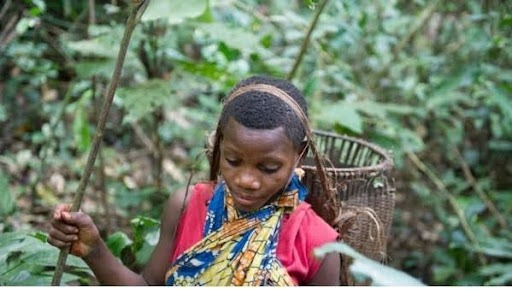
Indigenous peoples are a distinct group of people that collectively share a particular ancestral tie by being the first inhabitants or descendants of an area. They are termed “indigenous” as they strictly adhere to maintaining the cultural practices of the primary inhabitants of that area. With over 370 million indigenous people across the globe, they continually face threats and confront a diverse range of concerns regarding their sovereignty, economic prowess, cultural and linguistic preservation, and access to resources. In Cameroon, the situation is the same. The hunters and gatherers (also known as the pygmies), the Mbororo pastoralists, and the Kirdi mountain communities are the main indigenous groups in Cameroon. They amount to about 0.4% of the population. However, they face persistent violations of their rights, and their voices often go unheard. Therefore, two questions linger around:
- What are the precise challenges faced by indigenous people in Cameroon?
- What solutions can be offered to ensure that their rights are protected?
Challenges Faced by Indigenous Peoples in Cameroon.
It is worthy of note that the United Nations Declaration on the Rights of Indigenous Peoples (UNDRIP) provides the collective rights of indigenous peoples, and this acts as a torchlight to guide member states and their national policies on how to protect the rights of their respective indigenous populations. Cameroon, a member state of the Declaration, has taken further steps to discover the level of implementation of this Declaration through the Indigenous Navigation tool. However, this has not eroded or lessened the problems faced by indigenous peoples in Cameroon.
Land that constitutes an integral part of their cultural identity, has continuously endured the disappearance of forest diversity in Cameroon, thus putting indigenous people in a perilous situation. Areas now considered national parks in the country had formerly been in the possession of indigenous groups who have not benefited from guarantees by the state. This act contravenes Article 26 of the aforementioned United Nations Declaration.
Another challenge faced by indigenous peoples is their inability to ensure their linguistic preservation. This is because their language is considered archaic, and they are often required to learn other languages, to blend in with society.
In addition to this, they face a lack of financial resources. This makes access to health, education, and citizenship very difficult for them, as they are unable to afford the high costs related to these procedures.
Indigenous people in Cameroon also lack food autonomy, which leads to severe hunger and malnutrition.
Possible solutions to ensure the protection of the rights of Indigenous peoples in Cameroon.
- There should be adequate participation by indigenous peoples in governance.
- The government should develop compensation arrangements to demonstrate the recognition of their rights.
- More legislative solutions need to be enacted and implemented, right down to rural areas.
- Linguistic diversity should also be encouraged.
- Incentives like a reduction in medical and tuition fees should be provided for indigenous people and their descendants.
Conclusion.
The United Nations Declaration and even the preamble of Cameroon’s Constitution are a testament to the existence of indigenous peoples. Although these laws provide some insight into indigenous peoples and the protection that should be afforded to them, they still face some challenges at the level of implementation.
To this effect, listening to and actively providing solutions to the plight of these people in Cameroon is pivotal, as even the unheard have a voice.
