
Introduction
Post-war peacebuilding efforts play a crucial role in transitioning societies from conflict to stability and development. Ethiopia, a country that has recently experienced internal conflicts, is currently focusing on rebuilding and restoring peace. This article examines the post-war peacebuilding efforts in Ethiopia, highlighting the challenges faced, initiatives undertaken, and the way forward for sustainable peace and reconciliation in the country.
Context of Conflict in Ethiopia
To understand the significance of post-war peacebuilding efforts in Ethiopia, it is essential to acknowledge the context of conflict within the country. Ethnic tensions, political grievances, and territorial disputes have contributed to instances of violence and unrest, resulting in the displacement of communities and loss of lives. These conflicts pose challenges to social cohesion, economic progress, and overall stability.
Challenges in Post-War Peacebuilding
The peacebuilding process in Ethiopia faces numerous challenges that need to be addressed effectively. One primary challenge is the deep-rooted ethnic divisions and mistrust among different communities. Reconciliation and the healing of past wounds are necessary to foster unity and prevent future conflicts. In addition, addressing the root causes of conflicts, such as inequality, poverty, and limited access to resources, is vital for long-term stability. Furthermore, the process of reintegrating ex-combatants into society and providing them with opportunities for livelihood poses logistical and societal challenges.
Government Efforts and Initiatives
The Ethiopian government has demonstrated its commitment to post-war peacebuilding through various initiatives. Firstly, it has established institutions, such as the Ministry of Peace, to coordinate and oversee peacebuilding efforts across the country. Additionally, the government has engaged in dialogue with different ethnic and political groups, aiming to address grievances, build trust, and promote inclusivity. Furthermore, efforts have been made to reconcile and reintegrate former combatants through disarmament programs, vocational training, and community-based reintegration initiatives.
Engaging Civil Society and Local Communities
The involvement of civil society organizations and local communities is crucial for successful post-war peacebuilding. These actors play a vital role in grassroots reconciliation, community healing, and fostering social cohesion. Ethiopia has recognized this and has encouraged the active participation of civil society organizations, traditional leaders, religious institutions, and women’s groups in peacebuilding processes. Their inclusion ensures a diversity of perspectives and promotes sustainable solutions at the local level.
Transitional Justice and Healing
Transitional justice mechanisms are essential for addressing past human rights abuses, providing justice to victims, and promoting accountability. Ethiopia is exploring different avenues for truth-seeking, such as truth and reconciliation commissions, to address historical grievances. Additionally, initiatives to support healing and mental health services for affected communities are being undertaken to promote social reconciliation and prevent the resurgence of violence.
International Support and Cooperation
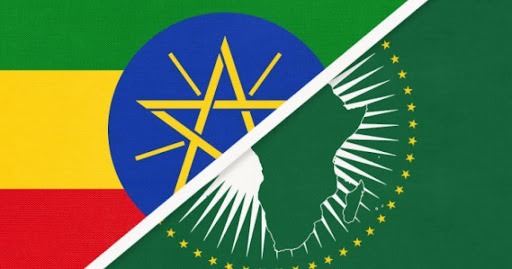
International support and cooperation play a crucial role in post-war peacebuilding efforts. Ethiopia has received assistance from various international organizations and partners who provide financial aid, technical expertise, and capacity-building support. Collaboration with regional bodies, such as the African Union, and neighboring countries is also important for fostering regional stability and addressing cross-border challenges.
Conclusion
Post-war peacebuilding efforts in Ethiopia are essential for transitioning the country from a period of conflict to stability and development. The challenges faced, such as ethnic divisions, inequality, and the reintegration of ex-combatants, require comprehensive strategies and sustained commitment. The government’s initiatives, engagement with civil society, and the pursuit of transitional justice contribute to the overall peacebuilding process. International support and cooperation further enhance Ethiopia’s efforts. It is crucial to prioritize inclusivity, social reconciliation, and healing to ensure a sustainable and peaceful future for the country. By investing in the well-being of communities, addressing root causes of conflict, and fostering trust among diverse groups, Ethiopia can lay the foundation for a prosperous and harmonious society.
