
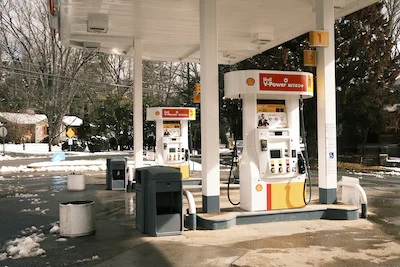
Since 2020 the world has experienced a steady increase in petroleum products, with recent announcements on further hikes placing it at a record high. The high prices have forced governments to strategize solutions to alleviate pressure on livelihood. Although the economic and social structures are directly hit and feel the quick pinch, the environment is the biggest casualty whose effect could be felt in years to come.
Why are high fuel prices a threat to the environment?
Since the 90s, developing countries have struggled to adapt to environmentally friendly modes of powering their industrial, commercial and domestic needs to increase forest cover and better conserve the environment. The need to increase forest cover was in response to the determination that it was the immediate solution to global warming and the consequent climate change. Several efforts were made to reduce human-induced disturbances to the climatic system. One of the schemes was encouraging the utilization of alternative fuel sources. The Kyoto protocol classifies deforestation as one of the human activities that deplete carbon sinks, thus requiring immediate attention.
Governments in developing countries instituted policies to ensure a higher percentage of citizens can access environmentally friendly energy sources. In Kenya, President Mwai Kibaki removed the 16% Value Added Tax (VAT) tax on cooking gas, making it accessible and affordable to the poor in rural areas and informal urban settlements. The intervention saw Kenya emerging as the home of Liquid Petroleum Gas (LPG) demand in the East Africa region by 2020. It significantly reduced pressure on the environment as an affordable alternative fuel source was made available.
The 16% Value Added Tax (VAT) on cooking gas has since been re-introduced in Kenya as the government seeks to address the rising economic challenges. The significant rise in global fuel prices and the reimposition of VAT has increased pressure on gas prices, pushing them beyond affordability for the ordinary person in urban and rural poor areas. The harsh economic times have worsened the situation as people prioritize basic needs; thus, cooking gas is considered a luxury.
Although high fuel prices are deemed good for the environment, they discourage the demand for fossil fuels; this can only be true in developed countries where alternative and advanced energy sources are common and readily available. In developing countries, affordability is key to whichever mode of fuel the consumers choose to use.
Conclusion
If unchecked, the high fuel prices will reverse the gains made in the previous years as the urban and rural poor are likely to slowly slip back to using charcoal and firewood as principal fuel sources in their homes. The return of traditional fuel sources could significantly impact the environment as almost half of the world’s population resides in rural areas. According to Dr. Richard Munang, the deputy director of the United Nations Environment Program, 80% of the African continent uses charcoal for cooking. The current fuel crisis could raise this, translating to high pressure on the already struggling forest cover.
Forest plays a central role in shaping the environment and climatic patterns. The current fuel impact on the environment may not be felt, but it holds a high magnitude negative effect for the future of all environmental issues like climate change.
