
Introduction
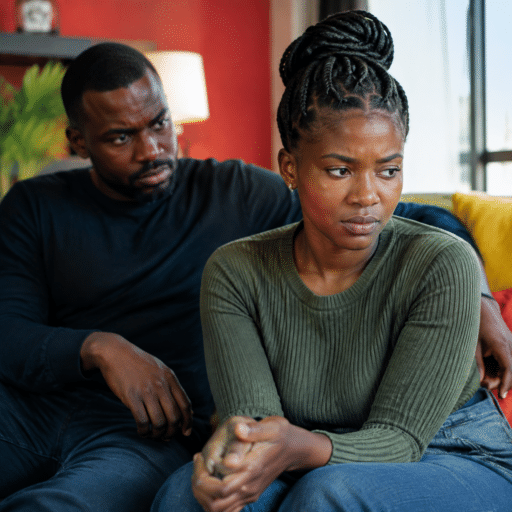
How can she/he cry for help when those that violate are the very people that need to protect them? One of the greatest injustices a person can experience is being harmed by someone they trusted to protect them. For many survivors of gender-based violence, the struggle is not only about the violence itself, but also, about the fear of speaking out, the uncertainty of being believed and the possibility that seeking help may expose them to even greater harm. his raises an uncomfortable question: where does a survivor turn when the very people expected to offer protection become a source of danger?
The Silence behind Gender-Based Violence
Gender-based violence remains a serious concern in Zambia and across Africa. According to Zambia Statistics Agency’s Gender Status Report 2020–2024, Zambia recorded 42,178 GBV cases in 2024, compared with 42,965 in 2023. More recently, the Gender Division reported 10,231 cases during the first quarter of 2026. These figures demonstrate the continuing urgency of addressing violence in our communities. What makes the situation particularly concerning is that perpetrators are not always strangers. They may be family members, intimate partners, teachers, employers, community leaders or individuals holding positions of authority. When those responsible for violence are also people on whom survivors depend, reporting becomes extremely difficult. Fear of stigma, victim-blaming, retaliation, financial dependence and social rejection can force survivors into silence. In some communities, cultural beliefs and the desire to protect family reputations are placed above the safety and dignity of victims. As a result, many cases remain unreported, while perpetrators continue to enjoy protection through silence and inaction.
Protection must come with Accountability
The 16 Days of Activism Against Gender-Based Violence is a reminder that ending violence requires more than public statements and awareness campaigns. It requires institutions and communities that are willing to confront abuse, regardless of who is responsible. Families must become safe spaces. Schools and workplaces must establish effective reporting mechanisms. Law enforcement agencies and relevant institutions must handle complaints professionally, protect survivors’ privacy and ensure that allegations are investigated fairly. No individual should be considered too powerful, respected or influential to be held accountable. Survivors must also receive support without judgement. Their experiences should never be dismissed, questioned through victim-blaming or treated as matters that should simply remain within the family.
Conclusion
Ending gender-based violence is everyone’s responsibility. It requires us to challenge harmful attitudes, speak against abuse and refuse to normalize violence in our homes and communities. We must also recognize that women and girls experience disproportionate levels of certain forms of gender-based violence, while ensuring that men and boys who experience abuse are not overlooked. As we observe the 16 Days of Activism, let us remember that protection must be real, reporting must be safe and justice must not depend on a perpetrator’s position or relationship with the survivor. No one should have to remain silent to survive.

Comments are closed.