
Introduction
One of feminism’s central questions is understanding the root causes of women’s subordination in society. Over the decades, theoretical debates have given rise to several schools of thought, each offering its own analysis of women’s oppression and identifying what is known as the “main enemy” differently. Studying feminist movements, particularly in the United States, helps us understand the diversity of strategies for women’s emancipation.
Liberal Feminism: A Reformist Approach
Liberal feminism, which favours gradual reforms, seeks to promote equality between women and men without necessarily challenging all existing social structures. It advocates equal rights, access to education and employment opportunities, and women’s participation in political life. However, this approach raises a fundamental question: are legal and institutional reforms sufficient to eliminate the root causes of women’s subordination?
Radical Feminism: Challenging Patriarchy
Unlike approaches that focus primarily on reform, radical feminism views patriarchy as a fundamental structure underlying women’s oppression. It challenges gender roles shaped by culture, religion, traditions, and social norms. From this perspective, genuine emancipation requires a profound transformation of power relations. In the 1970s, feminist theorist Shulamith Firestone notably examined the relationship between male dominance, reproduction, and social organisation. Radical feminism therefore seeks to dismantle the structures that perpetuate gender inequality.
The Practical Contributions of Radical Feminism
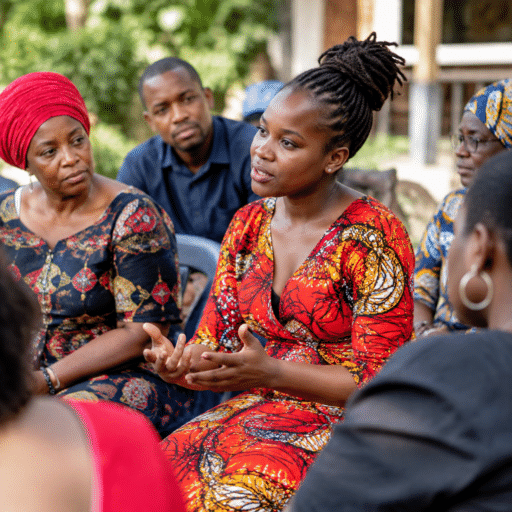
One of the major contributions of radical feminism lies in the creation of consciousness-raising groups, where women shared their personal experiences to develop an awareness of collective oppression and reclaim the value of their voices. Beyond theoretical debates, this movement led to tangible initiatives to improve women’s well-being:
– Women’s Health and Autonomy: Establishment of non-patriarchal health and gynaecology centres to enable women to reclaim knowledge and control over their bodies.
– Childcare Facilities: Creation of independent childcare centres to support mothers’ independence.
– Protection and Shelters: Establishment of shelters for women experiencing violence.
Conclusion
Feminist schools of thought offer different interpretations of the causes of women’s subordination. While liberal feminism prioritises gradual reforms to secure equal rights, radical feminism calls for a deeper transformation of patriarchal structures. Despite their differences, these approaches have enriched discussions on gender inequality and contributed to advancing women’s autonomy and protection.

Comments are closed.