
Introduction
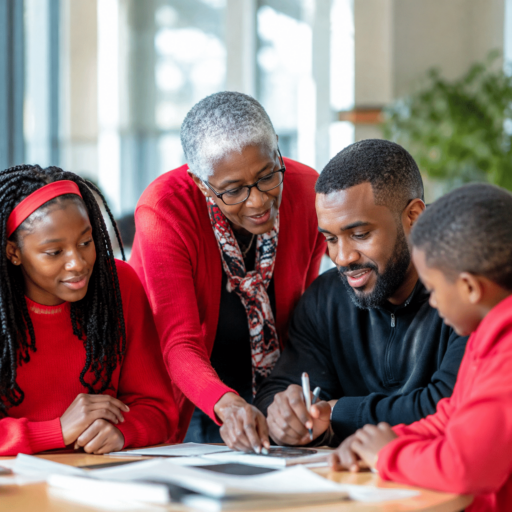
In the face of today’s economic, technological, and environmental challenges, no generation holds all the keys to progress on its own. True development emerges from the synergy between the experience of older generations and the boldness of youth. By connecting these complementary strengths, intergenerational collaboration becomes a powerful driver of innovation and social cohesion.
Sharing Skills Through Cross-Generational Mentoring
Development first depends on valuing and sharing knowledge and skills. Traditionally, knowledge flowed from older generations to younger ones. Today, this exchange is increasingly two-way through reverse mentoring. Experienced professionals share their strategic vision, practical knowledge, and crisis management skills. In return, younger generations bring their natural command of digital technologies, adaptability to new tools, and awareness of emerging trends. This dynamic exchange strengthens collective intelligence and accelerates the development of skills across generations.
Sustainable Innovation Through Cultural Dialogue
Bringing together different perspectives stimulates creativity. Younger generations often challenge the status quo through their search for purpose, desire for agility, and environmental awareness. Older generations, meanwhile, provide the perspective needed to channel this energy, assess risks, and ensure the long-term sustainability of projects. Through this constructive exchange of ideas, innovative and sustainable solutions can emerge, avoiding both the inertia of the past and the impulsiveness of radical change.
Strengthening Social Bonds and Collective Resilience
Beyond technical and economic performance, this alliance strengthens society. Working together helps break down age-related stereotypes, reduce the isolation of older people, and promote the integration of younger generations. A community or organization that values people of all ages creates an environment of mutual trust. Such strong social cohesion makes society more resilient and better equipped to face crises and economic transformations together.
Conclusion
Intergenerational collaboration should no longer be seen as an ideal, but as a strategic necessity for development. By combining the wisdom of experience with the energy of innovation, organizations and societies can maximize their potential. Investing in spaces for dialogue and cooperation between generations is one of the surest ways to build a strong, inclusive future that is firmly oriented towards progress.
Social Media: https://www.facebook.com/abdousalam.tall.3

Comments are closed.