
Introduction
In Benin and several African societies, the birth of twins or a child with albinism may be surrounded by beliefs that influence their daily lives. Between rituals, spiritual interpretations, and customary obligations, some children risk having their freedom and personal development restricted. But what happens to a child’s right to enjoy childhood when adults’ beliefs determine how they must live?
When Beliefs Dictate Behaviour
In certain Beninese communities, twins, known as Hoho in several southern traditions, hold a special place. However, this recognition can sometimes come with obligations imposed on their families. Following traditional consultations, a mother may be instructed to beg at a market or public square because her twins are believed to require it to resolve a family conflict or restore peace within the household. In other situations, a child whose twin has died may be compelled to carry a figurine representing the deceased sibling, even during meals. Children with albinism may also be subjected to mystical interpretations of their appearance, leading to fascination, fear, or stigmatisation. These practices and beliefs are not universal. Nevertheless, they raise important questions about the place given to children’s wishes when decisions are made on their behalf.
What Are the Consequences for Education?
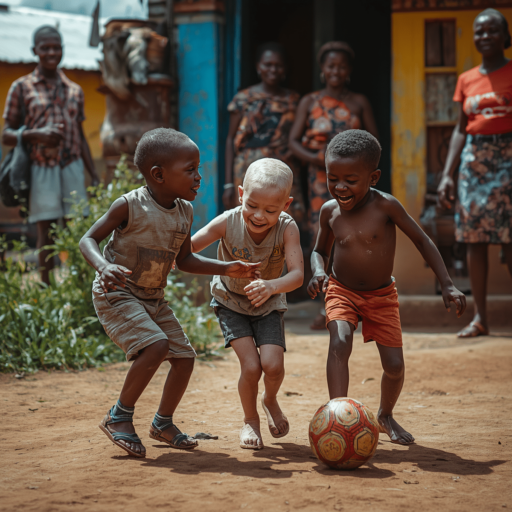
When a child is reduced to their status as a twin or their albinism, their individual needs risk being overlooked. Customary obligations may interfere with the time they need for play, rest, and learning. Stigmatisation can also undermine relationships with classmates, self-confidence, and participation in school activities. Schools must remain spaces where every child can learn, develop, and participate in collective life without discrimination. This also requires dialogue with families and communities whenever certain practices threaten children’s well-being or education.
Preserving Traditions Without Sacrificing Childhood
The aim is not to reject traditions, but to question practices that may violate children’s rights. The Convention on the Rights of the Child recognises, among other things, their rights to education, rest, leisure, and protection from exploitation. Families, community leaders, educators, and institutions share a responsibility to pass on cultural heritage while safeguarding the dignity, freedom, and future of younger generations. Traditions should contribute to children’s sense of belonging rather than expose them to practices that compromise their development.
Conclusion
Being a twin or being born with albinism should never be considered a misfortune. No child should have to bear the burden of beliefs that prevent them from fully enjoying their childhood. Before being regarded as a symbol of tradition, every child is an individual with the right to learn, play, dream, and grow freely. Protecting these rights is not about abandoning cultural heritage; it is about ensuring that every tradition respects the dignity and best interests of the child.

Comments are closed.