
Introduction
Africa is undergoing a major nutritional transition. While undernutrition remains widespread, chronic diseases such as diabetes and hypertension are rapidly increasing, particularly in urban areas. This double burden of malnutrition is further worsened by climate change, which threatens food security. In response to these challenges, the transition towards sustainable food systems is essential to protect public health and preserve the environment.
Revitalizing Traditional Grains and Crops
The first pillar of sustainable food lies in returning to traditional crops. Local grains such as millet, sorghum, fonio and teff have exceptional nutritional qualities. Rich in iron, fibre and micronutrients, these crops also have the major advantage of being naturally adapted to arid climates. By bringing them back into everyday diets, Africa can strengthen its nutritional security while preserving and promoting its agricultural heritage.
The Key Role of Legumes and Local Protein Sources
To ensure an affordable and environmentally friendly source of protein, African legumes are essential. Cowpeas, Bambara groundnuts and locally grown lentils are valuable and accessible sources of nutrition. From an environmental perspective, these plants have the unique ability to fix nitrogen in the soil, naturally improving soil fertility while reducing the need for polluting chemical fertilizers.
Promoting Agroecology and Short Supply Chains
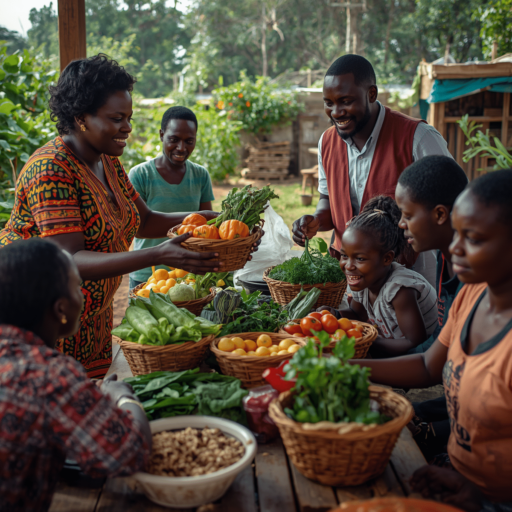
Sustainable food also depends on production methods that respect ecosystems. Agroecology, which combines crop diversification with responsible water management, protects biodiversity and preserves soil for future generations. Promoting short supply chains, particularly through market gardens around major cities, can reduce the continent’s dependence on global imports while providing consumers with fresh, vitamin-rich produce harvested at the right stage of maturity.
Conclusion
Sustainable food is the foundation of a resilient and healthy Africa. It can reconcile environmental protection, economic sovereignty and public well-being. To make this model sustainable, it is crucial to educate younger generations about the nutritional wealth of Africa’s local produce and strongly support small-scale farmers through appropriate public policies.
Social Media: https://www.facebook.com/abdousalam.tall.3

Comments are closed.