
Introduction
In a classroom where children struggled through spelling tests and math exercises, one student stood out ,not because she fit the academic expectations of her peers, but because of the way she saw the world. She quietly filled pages with drawings that seemed to dance off the paper, and sometimes she told stories that did not make sense at the moment, but now reflect a unique imagination and emotional richness. Her presence was not measured by grades, but by the creativity and joy she brought into the room.
This student had Down syndrome, which is a genetic condition caused by an extra copy of chromosome 21. Down syndrome affects development and learning in distinct ways, but it also offers perspectives and gifts that are often overlooked. While many communities still stereotype Down syndrome, increasing awareness and inclusion can help shift perceptions towards recognizing ability, creativity, and belonging.
What Is Down Syndrome?
Down syndrome is a genetic condition that changes the course of development. It may affect physical growth, learning abilities, and speech development, but it does not define a person’s potential or creativity. People with Down syndrome attend school, make friends, pursue careers, build families, and contribute meaningfully to their communities.
Together Against Loneliness: This Year’s Awareness Theme
The 2026 theme for World Down Syndrome Day, “Together Against Loneliness,” emphasizes the importance of connection, community, and meaningful inclusion. People with Down syndrome often experience loneliness not because of their diagnosis, but because of barriers to true participation and belonging. Inclusive classrooms, workplaces, and social spaces help break down those barriers and create environments where everyone can thrive.
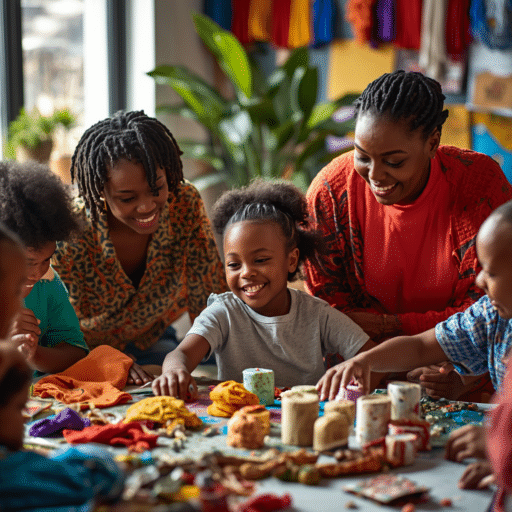
In many schools, children with and without Down syndrome learn side by side. However, merely sharing space isn’t enough. Real inclusion means recognizing each student’s strengths and enabling them to participate fully in learning, play, and community life.
Creativity and Inclusion in Education
The student who filled her books with art showed that traditional academic measures does not capture all kinds of intelligence. While she may not have followed the same tasks as others, her ability to express emotion and imagination through art was her gift and a reminder that human potential cannot be confined to tests alone.
Inclusive education involves adjusting teaching methods so that all learners can participate meaningfully. It encourages educators and classmates to value diverse ways of thinking, communicating, and expressing creativity.
Challenging Misconceptions
Many misconceptions about Down syndrome still persist. Some people believe individuals with Down syndrome cannot work, form relationships, or contribute to society. Research and lived experience show otherwise. People with Down syndrome are active members of families, workplaces, and communities when given support, opportunity, and acceptance.
What Can We Do?
Educate others about Down syndrome and inclusion. Encourage inclusive classrooms where every student’s gifts are recognized. Celebrate creativity and participation rather than only test results. Build genuine friendships that go beyond the classroom.
Conclusion
Awareness about Down syndrome is not just about facts it is about perspective and connection. When communities move “Together Against Loneliness,” they create spaces where people with Down syndrome are not only present, but seen, valued, and included. In celebrating diversity of ability, we enrich all of our lives.

Comments are closed.