
Introduction
Every child is a learner long before entering a classroom. Before teachers begin to teach them mathematics, language, science or social values, the home has already started shaping their understanding of life. Children observe, imitate and interpret the behaviours around them. Sometimes, the most important lessons they learn are those no one intentionally teaches.
Children Learn by Watching
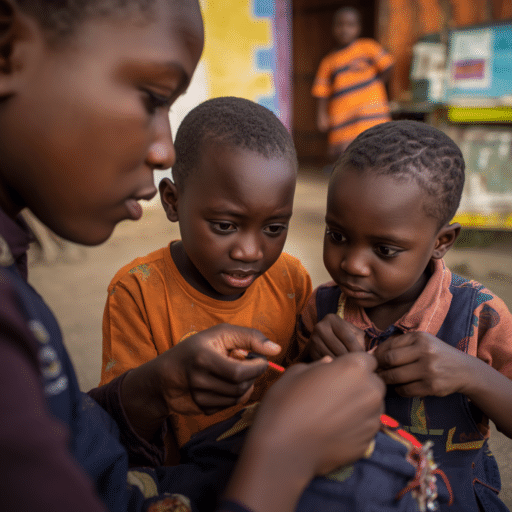
Children are excellent observers. They watch how parents speak to one another, treat strangers, respond to challenges, and handle disagreements. A parent may tell a child to be respectful, but if the child constantly witnesses disrespect at home, the behaviour may speak louder than the instruction. Likewise, children learn honesty when they see adults take responsibility for their actions. They learn kindness when they experience compassion. They learn responsibility when they observe people fulfilling their obligations. What we repeatedly demonstrate can become more powerful than what we occasionally say.
The Lessons Hidden in Everyday Life
Many values are communicated through ordinary experiences. How a family handles money can influence a child’s understanding of financial responsibility. How conflicts are resolved can shape the child’s approach to relationships. How emotions are expressed can determine whether a child learns to communicate feelings or suppress them. Even silence can teach. Emotional absence, constant criticism, unresolved conflicts, and lack of communication can leave children with lessons that were never intentionally planned.
Parents as Unintentional Teachers
Parenting is therefore more than providing food, shelter, education and other necessities. It also involves modelling the character we want children to develop. This does not mean parents must be perfect. Mistakes are inevitable. What matters is the willingness to acknowledge those mistakes, apologise when necessary and demonstrate that growth is possible. Children need adults who practise the values they preach.
Breaking Negative Patterns
Not everything a child learns at home must determine who they become. As individuals mature, they can recognise unhealthy patterns and consciously choose to change them. However, creating a healthy environment from the beginning can make that journey easier. Parents, guardians and other adults must therefore become more intentional about the examples they provide.
Conclusion
The first classroom is often the home, and the first teachers are usually those closest to the child. Before children understand the lessons written in books, they are already learning lessons from the lives being lived around them. Children may forget what we tell them, but they often remember what we show them. The question, therefore, is not only “What are we teaching our children?” but also “What are they learning from us without being taught?”

Comments are closed.