
Introduction
The 1991 Constitution of Sierra Leone is the supreme law of the country and provides the legal framework for governance, democracy, human rights and the separation of powers. Since its adoption, the Constitution has been amended at different times to respond to changing political, social and institutional needs. Constitutional amendments are important because they can influence how state institutions operate and how citizens exercise their rights.
Constitutional Amendments and Parliament
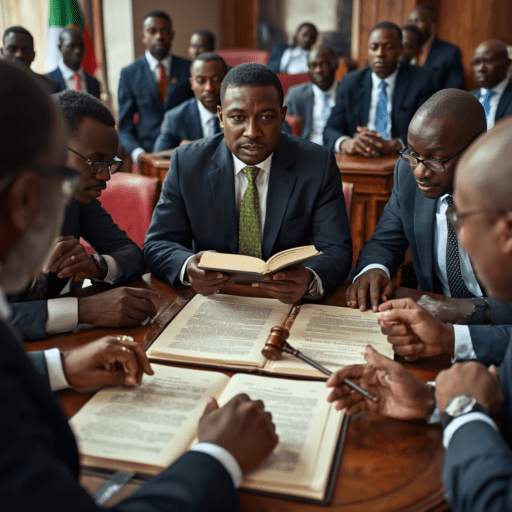
Members of Parliament (MPs) have an important responsibility in the constitutional amendment process. Parliament represents the people and exercises legislative authority on their behalf. However, constitutional amendments are generally subject to stricter requirements than ordinary legislation because the Constitution is the foundation of the legal system.
MPs must therefore carefully examine proposed amendments and consider their potential effects on democracy, accountability, human rights and national development. Their role goes beyond voting; they are expected to debate proposals, represent their constituents and ensure that amendments serve the wider national interest.
Interpretation of the Constitution
Constitutional interpretation refers to the process of determining the meaning and application of constitutional provisions. Courts, particularly the judiciary, play a central role in interpreting the Constitution when disputes arise concerning constitutional rights, powers or responsibilities.
The Constitution itself provides guidance on interpretation, while judicial decisions help clarify provisions whose meaning may be disputed. Parliament also has a role because lawmakers must interpret constitutional principles when drafting legislation and exercising their constitutional responsibilities. However, Parliament cannot simply redefine constitutional provisions in a manner that undermines the Constitution’s supremacy.
The Importance of Constitutional Understanding
For Sierra Leone to strengthen its democracy, both MPs and citizens need a clear understanding of the Constitution. MPs must exercise their legislative powers responsibly, while courts must interpret constitutional provisions independently and fairly. Citizens, meanwhile, should understand their rights and responsibilities so that they can hold public institutions accountable.
Conclusion
The 1991 Constitution remains a cornerstone of Sierra Leone’s democratic governance. Its amendment requires careful consideration because changes can have long-term consequences for the country. Members of Parliament, the judiciary and citizens each have important roles in protecting constitutionalism. A proper understanding and interpretation of the Constitution can strengthen the rule of law, democratic institutions and public confidence in governance.

Comments are closed.