
Introduction
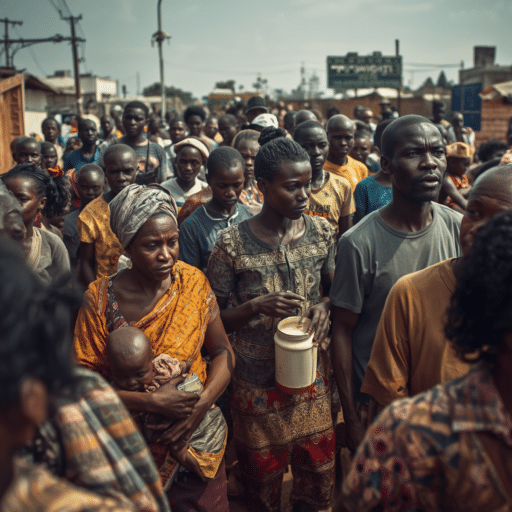
“E tsentse tlhako kgamelong” – a Setswana expression that literally translates to “having ones feet in the bucket”, captures moments when life becomes unbearably tight, when pressure mounts and options shrink. Today, this proverb speaks directly to Africa’s lived reality. The ongoing tensions and wider geopolitical conflicts are no longer distant headlines; they are economic tremors felt across African households. Rising global oil prices have translated into escalating fuel costs, placing strain on economies that are heavily dependent on imported petroleum. In this moment, another Setswana truth echoes loudly: “motlhoka sa gagwe ke moka a suleng” – one who owns nothing is as good as dead.
Tender Fact
Africa’s vulnerability lies not in its lack of potential, but in its dependency. Despite being richly endowed with natural resources, many countries across Africa remain heavily reliant on external suppliers for fuel, machinery, food, medicine and other essential commodities. This dependency makes African economies particularly vulnerable to global events that occur far beyond their borders. When conflicts arise elsewhere in the world, global supply chains are disrupted, fuel becomes more expensive, transport costs increase and the price of basic goods quickly rise. What begins as a war thousands of kilometers away ends up in the pockets of African families, eroding livelihoods and widening inequality.
Economic Sovereignty: Africa’s Path to Self-Reliance
This moment exposes a deeper structural issue: Africa’s limited control over its own resources and energy systems. Despite being rich in natural resources, the continent continues to export raw materials while importing finished products, including fuel. The result is a fragile economic position where external conflicts dictate internal stability.
The idiom “motlhoka sa gagwe ke moka a suleng” becomes painfully relevant. Without ownership, without self-sufficiency, Africa remains at the mercy of global powers. Economic sovereignty is no longer a luxury; it is a necessity for survival. Investment in local refining capacity, renewable energy, and intra-African trade must move from conversation to action.
Conclusion
Indeed, “e tsentse tlhako kgamelong.” The warning signs are clear, and the challenges are real. But within this pressure lies a call to awaken; an opportunity for transformation. The continent must reimagine its future. One rooted in ownership, resilience, and independence. Only then can it loosen the grip of external shocks and breathe freely again.

Comments are closed.