
Introduction
Africa is often presented to the world through stories of poverty, conflict, political instability, and social challenges. These realities deserve responsible reporting, but they are not the full story of the continent. Africa also has remarkable landscapes, creative industries, technological innovation, cultural heritage, businesses, and young people creating solutions. Mainstream and social media can help bring these possibilities into view. Changing the narrative does not mean hiding Africa’s problems. It means creating a more balanced picture of the continent. When African media consistently showcases what Africa can offer, it can influence how the world understands, visits, invests in, and engages with the continent. The media can become a powerful tool for changing perception and expanding possibilities.
More Than the Problems We Face
Africa has no shortage of challenges. Poverty, unemployment, political instability, and weak infrastructure affect many communities. These issues should not be ignored. However, problems should not become the continent’s only identity. A country can report on hardship while also showing its creativity, natural beauty, cultural heritage, and emerging opportunities. Balanced storytelling gives audiences a more complete picture. What people repeatedly see can influence what they believe is possible. This makes media representation important.
The Untapped Power of New Media
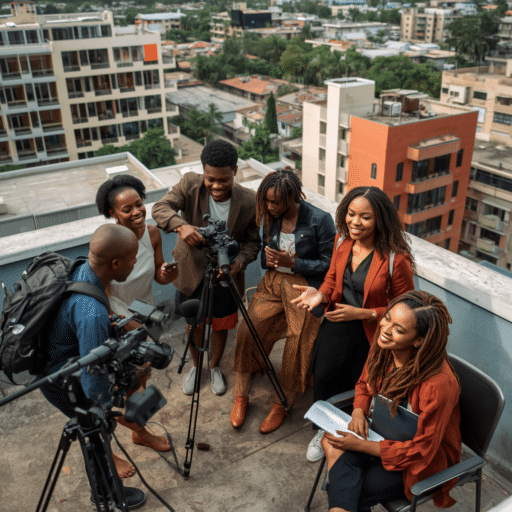
Social media has changed who can tell Africa’s story. A smartphone can now produce content that reaches audiences far beyond national borders. African creators can showcase local businesses, tourism destinations, innovations, food, music, fashion, sports, and community solutions. They can introduce places that international audiences may know little about. Mainstream media also has a significant role. Television, radio, newspapers, and digital platforms can give greater attention to constructive developments without abandoning critical journalism. The goal is not propaganda. It is representation.
From Selling Problems to Showing Possibilities
Countries around the world promote their attractions while still facing social and economic challenges. Their media ecosystems often give audiences reasons to visit, explore, study, invest or learn more. Africa can do the same. Imagine a global audience seeing African cities not only through reports of hardship, but also through technology hubs, museums, beaches, universities, creative spaces, wildlife, entrepreneurs, and cultural festivals. Changing the narrative begins with changing what receives consistent attention.
Conclusion
Africa does not need to hide its challenges. It needs to broaden the story. The media has the power to document problems, question institutions and hold society accountable. It also has the power to reveal possibilities that may otherwise remain invisible. The future of Africa’s image should not be determined only by what is wrong with the continent. It should also reflect what is being built, created, protected, and imagined. When we consistently show the world only our problems, people may only see problems. When we also show our beauty, creativity, and potential, we invite the world to ask a different question: What possibilities exist here? Changing the narrative is not about creating a false image of Africa. It is about making sure the world sees the whole picture.
Social Media: https://www.facebook.com/share/1Bas1oa5mU/?mibextid=wwXIfr

Comments are closed.