
Introduction
Economic development is not only about producing more, but also about making better use of available resources. In Burkina Faso, agriculture accounts for approximately 22% of gross domestic product and is the main source of income for nearly 63% of the working population. Yet, much of the production remains small-scale and focused on subsistence, limiting producers’ incomes and value creation within the country.
From Agricultural Production to Value Creation
Agro-food processing makes it possible to move beyond simply selling raw products by adding economic and commercial value to them. Rice, maize, mangoes, cassava, soybeans, and poultry offer significant opportunities for processing and marketing in Burkina Faso. A processed, packaged, and properly preserved product can be sold for longer periods, reach more distant markets, and generally command a better price.
A Response to Dependence on Imported Products
Developing local processing can help reduce Burkina Faso’s dependence on certain imported food products. When domestic raw materials are processed locally, the country can better harness its agricultural potential and reduce the loss of income associated with purchasing finished products from abroad. However, processing does not eliminate supply challenges, particularly when harvests are affected by climate-related factors or insecurity. It must therefore be supported by improved storage infrastructure, irrigation systems, and access to agricultural inputs.
Creating Jobs for Young People and Women
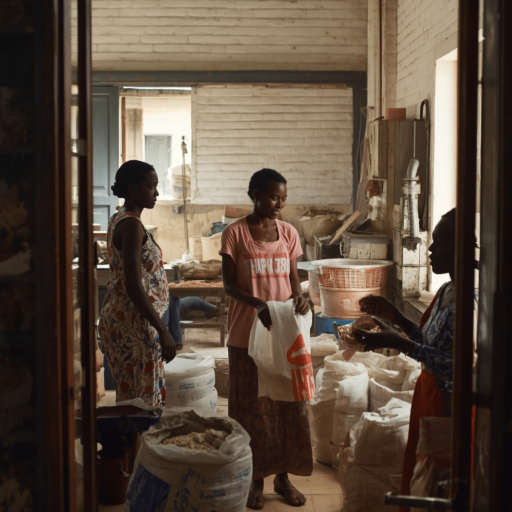
Agro food processing creates direct and indirect employment opportunities in both rural areas and urban centers. These activities include sorting, drying, milling, production, packaging, sales, and stock management. Women already play an important role in this sector, while young people can find opportunities in equipment maintenance, digital services, logistics, and marketing.
Modernization Adapted to Local Realities
Agro food processing cannot rely solely on purchasing machinery or building industrial facilities. It must take into account energy costs, access to water, the availability of spare parts, and the skill levels of users. In many communities, simple equipment that can be repaired locally and operates with low energy consumption may be more effective than expensive facilities that are difficult to maintain. Value chains must also meet quality, hygiene, preservation, and packaging standards in order to earn consumers’ trust.
Conclusion
Agro food processing makes it possible to create greater value from local production, support employment, and strengthen food security. Its impact can be particularly significant for women, young people, and small businesses, which play a central role in production and marketing activities. Burkina Faso should therefore not only seek to produce more, but also to process better, expand market access, and ensure that the benefits of this transformation are distributed more equitably.
Social Media: https://www.facebook.com/share/19gmttwNBP/

Comments are closed.